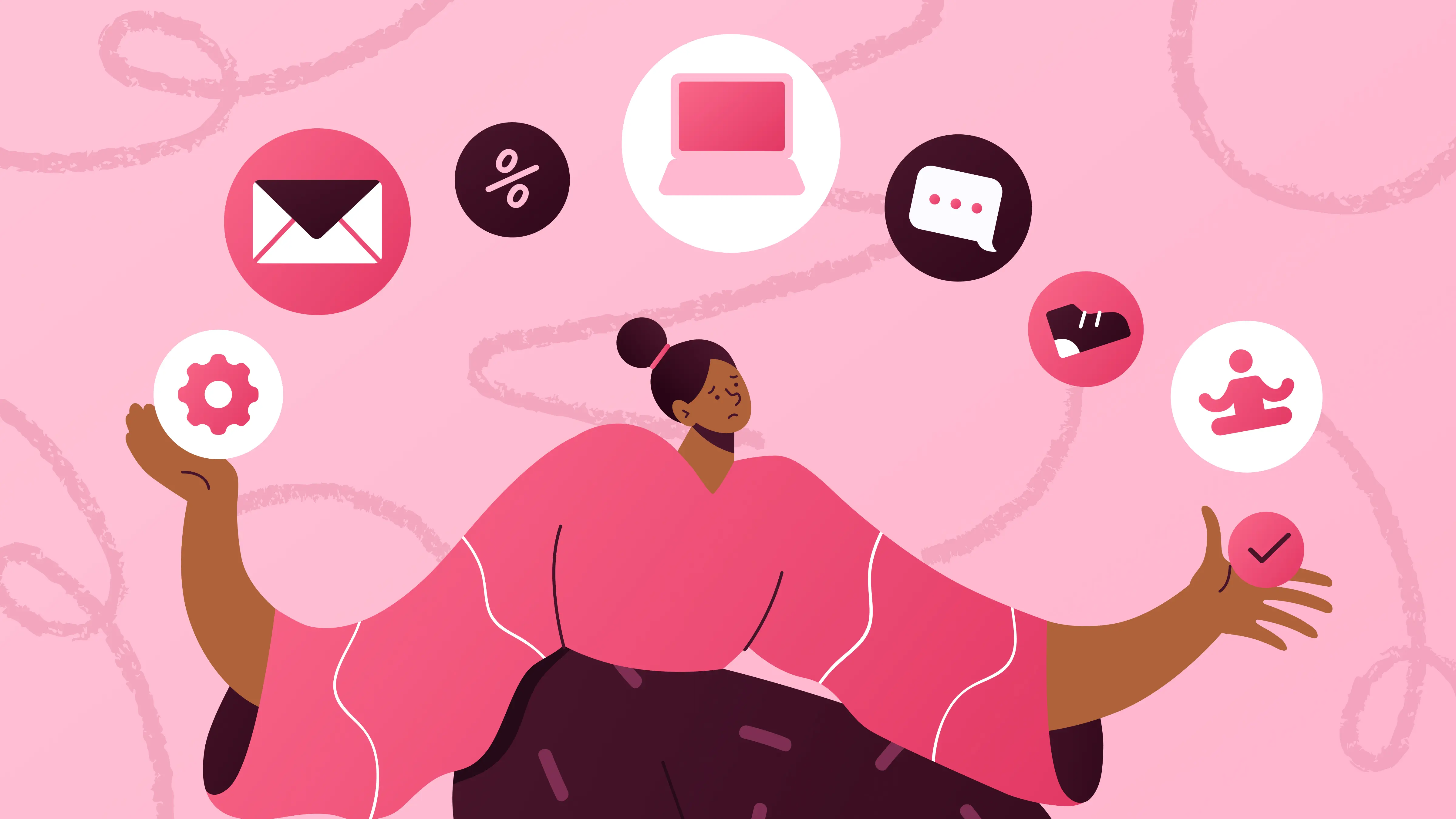
The word “multitasking” didn’t originally describe humans. It described computers.
In the 1960s, the term was used to explain how operating systems could run multiple programs simultaneously. Over time, we adopted the language for ourselves, as if our brains functioned the same way.
They don’t. Cognitive science has repeatedly shown that humans don’t truly multitask. We switch and every switch comes with a cost like slower performance, more mistakes, and mental strain.
As technology accelerated and notifications multiplied, so did our belief that juggling everything at once was a strength. But a growing body of research, and a cultural shift toward intentional focus, has brought us back to the basics.
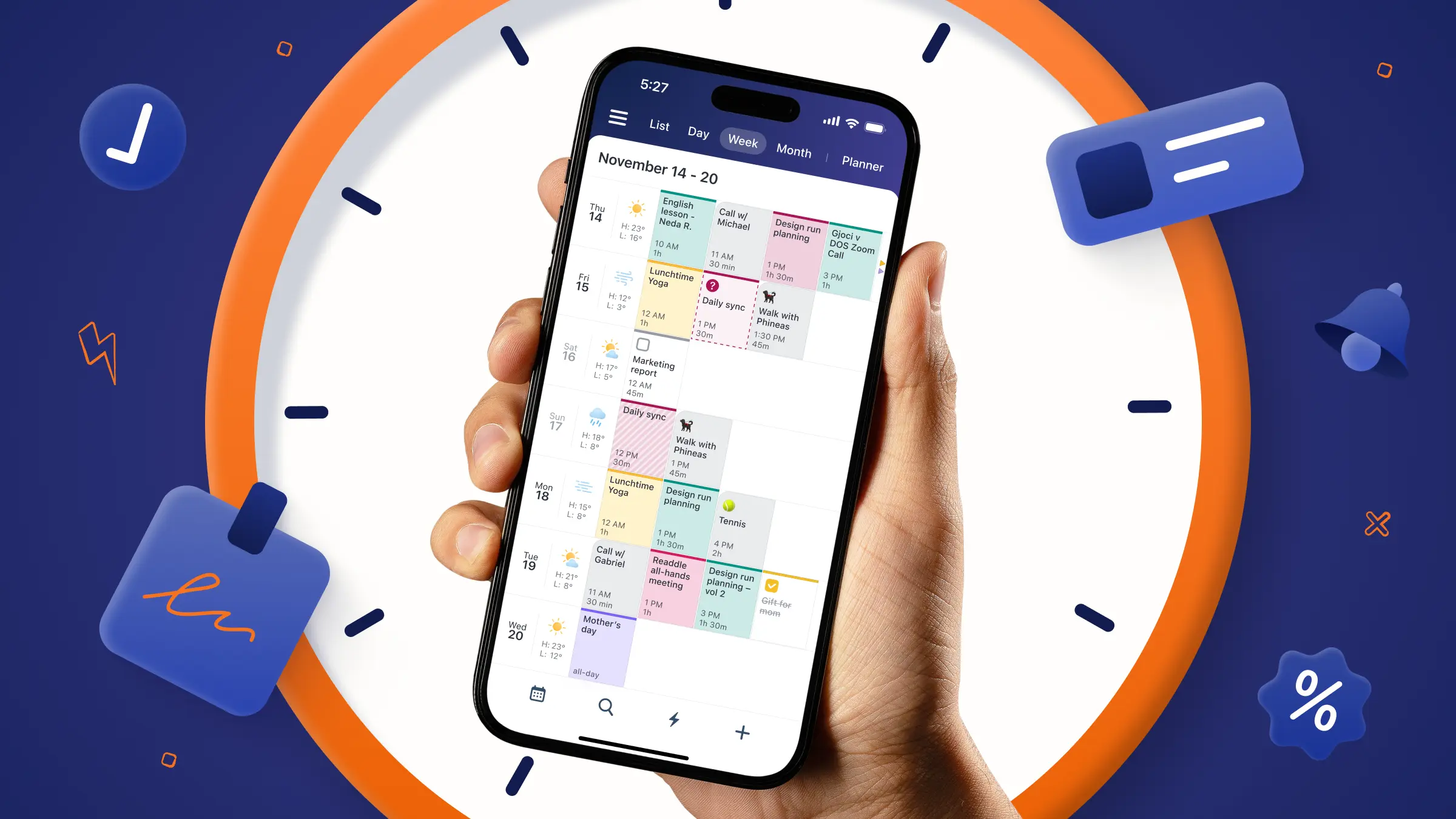
This guide will share why multitasking does more harm than good, how to prioritize with clarity, and how Calendars by Readdle can help you build realistic timelines that minimize overlap and protect your focus.
Is multitasking possible?
The short answer: not in the way we think. Instead of doing two cognitively demanding activities at once, the brain toggles back and forth between them.
In a study from the University of Minnesota, The Effect of Regulatory Focus on Attention Residue and Performance, researchers found that even brief mental interruptions can leave a “residue” of attention behind, meaning part of your focus remains stuck on the previous task while you attempt to move forward.
There are limited exceptions. The brain can handle one automatic task (like walking) alongside one cognitive task (like talking). But it struggles when two activities require active thinking, problem-solving, or decision-making. That’s when performance declines.
Examples of multitasking that don't work
Here are some common examples of multitasking that are taxing on the brain:
- Writing emails during meetings.
- Responding to messages while drafting reports.
- Cooking while texting or scrolling social media.
- Driving while talking on the phone.
- Watching a TV show while checking text messages.
- Listening to a podcast while reading a book or an article.
- Writing a shopping list while making phone calls.
- Checking your calendar while on a phone call.
- Helping kids with homework while doing chores.
Examples of multitasking that works
Multitasking only works when one of the tasks is automatic or uses different cognitive resources than the other. If the tasks use different senses or brain systems, they’re less likely to interfere with each other. Here are some examples of multitasking that don’t harm your productivity:
-
Walking while listening to a podcast or audiobook.
Physical activity like walking is largely automatic, so it doesn’t compete with your brain’s language-processing center. You can absorb information from the podcast without significantly reducing focus on either task. -
Folding laundry while listening to music.
Repetitive, low-attention tasks like folding clothes can be paired with passive listening (music, news, or a casual podcast) without affecting accuracy or cognitive performance. -
Driving on familiar routes while listening to music or a podcast.
When the route is well-known, navigation is automatic. Your brain can safely process verbal information from an audiobook or music without significant cognitive strain.
-
Light stretching while watching a lecture.
The physical movements involved in stretching are largely automatic. Your muscles handle the activity with minimal conscious effort, which leaves your brain free to focus on processing the lecture’s content.
How to be productive without multitasking
If multitasking is taxing the brain and reduces performance, how can you get more done without splitting your attention? Here are some effective strategies to structure your day, tasks, and focus.
1. Mindful productivity
Mindful productivity is all about being fully present in whatever task you’re doing. It means paying attention to one activity at a time without distraction. Practicing mindfulness reduces stress, improves focus, and increases task satisfaction. Small techniques like taking a few deep breaths before starting a task or doing a brief mental check-in with your priorities can help you stay grounded and present.
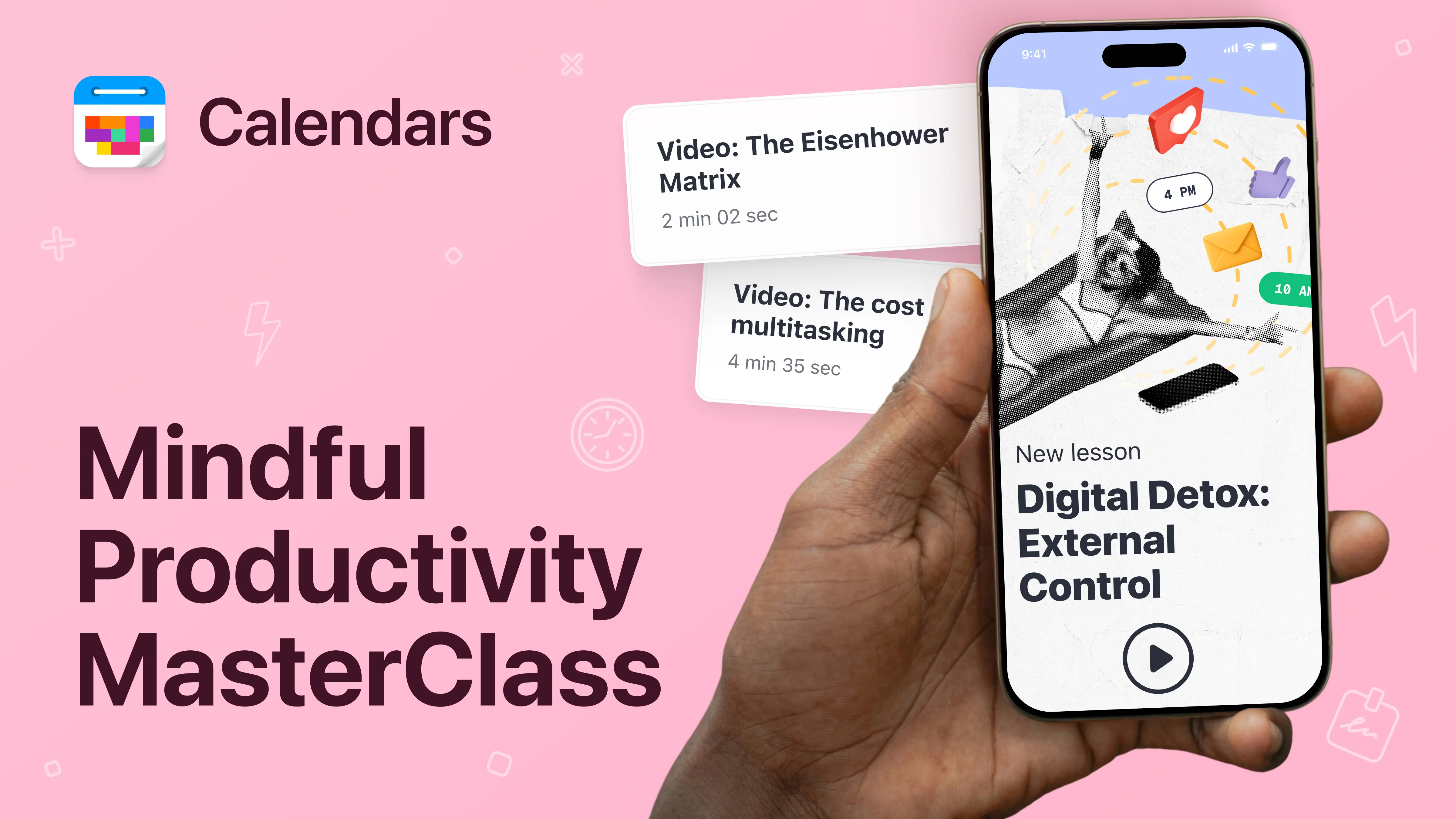
Expert Tip: Download Calendars and join the Mindful Productivity Masterclass a 20-lesson program packed designed to help you with your specific productivity type.
2. Single-tasking
Single-tasking is the simple but powerful practice of focusing on one task from start to finish before moving on to the next. Research shows that single-tasking improves accuracy, reduces mental fatigue, and helps retain information more effectively. Whether it’s drafting a report, studying, or completing household tasks, committing to one activity at a time allows your brain to work at full capacity.
3. Time management methods
Time management techniques provide structure to your day, helping you avoid the temptation to multitask. Some effective methods include:
- Time blocking: Allocate dedicated blocks of time for specific tasks and protect them from interruptions.
- Pomodoro technique: Work in focused 25-minute sprints with 5-minute breaks to maintain energy and attention.
- Prioritization frameworks: Tools like Eisenhower’s Matrix or MITs (Most Important Tasks) help you decide what truly deserves your focus first.
4. Digital detox
Constant notifications, emails, and social media are major contributors to multitasking and fragmented attention. A digital detox, even for short periods, allows your brain to reset and focus. This could mean silencing notifications, setting “no-phone” hours, or taking intentional breaks from social media.
5. Use your calendar
Your calendar can be more than just a list of meetings. It’s a tool to plan tasks, avoid overlap, and protect deep work time. With Calendars by Readdle, you can:
- Visualize your day to spot overlapping tasks before they happen.
- Assign realistic durations for each task to prevent rushing and multitasking.
- Block dedicated focus periods where notifications and interruptions are minimized.
- Sequence tasks logically so you’re not switching between unrelated activities unnecessarily.
- Set smart reminders to prompt action only when needed.
Ultimately, productivity isn’t about doing everything at once, it’s about doing the right things, at the right time, with full attention. The good news? With time, you can become a productive master without having to multitask.
Your brain deserves a break, start supporting it by downloading Calendars by Readdle.