When was the last time you focused on one thing and were fully present? Not half-answering emails while in a meeting or listening to a podcast while scrolling, but fully immersed in one task. For many of us, that kind of mindfulness has become rare.
That’s exactly why the idea of single tasking has regained momentum. In the book Singletasking, Devora Zack offers a refreshingly simple solution: stop trying to do everything at once, and start doing one thing well
What is single tasking?
The single tasking meaning is straightforward. You focus on one clearly defined task, during one dedicated block of time, with one specific outcome in mind.
It doesn’t mean you only have one task for the entire day. It means you give your full attention to one priority at a time. You’re not drafting a report while checking email, you’re not responding to messages while half-listening in a meeting and you’re not jumping between five open documents and hoping something gets finished.
A single task might be writing the introduction to a proposal between 9:00 and 9:45 a.m., reviewing a budget without opening Slack, or preparing slides before checking your inbox. The defining feature isn’t the task itself, it’s the absence of divided attention.
Single tasking vs multitasking
When people compare single tasking vs multitasking, multitasking often sounds more impressive. It suggests speed, agility, and capability. But neuroscience paints a different picture.
What we call multitasking is usually rapid task-switching. The brain isn’t performing two complex cognitive activities simultaneously; it’s switching back and forth between them. Each switch carries a cost. The American Psychological Association reports that task-switching can reduce productivity by as much as 40%. Every interruption requires your brain to refocus, reorient, and reconstruct context.
In a review published in Proceedings of the National Academy of Sciences, Wagner and neuroscientist Melina Uncapher analyzed years of research on media multitasking and its relationship to working memory and attention. They found people who frequently used many types of media at once have a reduced memory.
The hidden impact also shows up as making more mistakes, having longer completion times, and a lingering sense of stress. Single tasking removes that cognitive switching tax. Instead of scattering energy across multiple streams, you channel it into one clear objective.
What are the benefits of single tasking?
Focusing on one thing at a time does more than just help you get it done, it changes how your brain works while you’re doing it. Research by Anthony Wagner and Melina Uncapher at Stanford shows that single tasking improves attention, strengthens memory, and helps you process information more deeply. It also reduces cognitive overload, meaning you feel less stressed and more in control. And because your brain isn’t bouncing between tasks, the work you produce is sharper, more accurate, and often more creative.
Single tasking examples in everyday life
Single tasking isn’t reserved for “deep work” days. It’s practical and flexible. Here are some simple single tasking examples:
At work
- Draft a report during a scheduled 45-minute focus block.
- Batch email into two specific time slots instead of checking continuously.
- Attend meetings without glancing at your phone.
At home
- Cook dinner without scrolling.
- Read one chapter without switching apps.
- Have a conversation without multitasking on another device.
For personal productivity
- Plan your week in a single, uninterrupted session.
- Complete a workout without checking work updates.
- Review finances in one focused sitting.
How to turn single-tasking into a habit
Focusing on one thing at a time doesn’t always come naturally, especially in a world built for distraction. The good news is that single tasking can be trained, just like a muscle. The key is creating habits that support focus and protect your attention.
1. Set a smart daily to-do list
Start each day or the night before by writing down a to-do list of what you want to accomplish. Identify the one or two tasks that are most important, the ones that really move the needle or that other tasks depend on, and make those your priority. Don’t overwhelm yourself by trying to do everything at once. Keeping your focus on just a few key items makes single tasking manageable and helps you feel accomplished as you cross them off.
2. Time block your focus
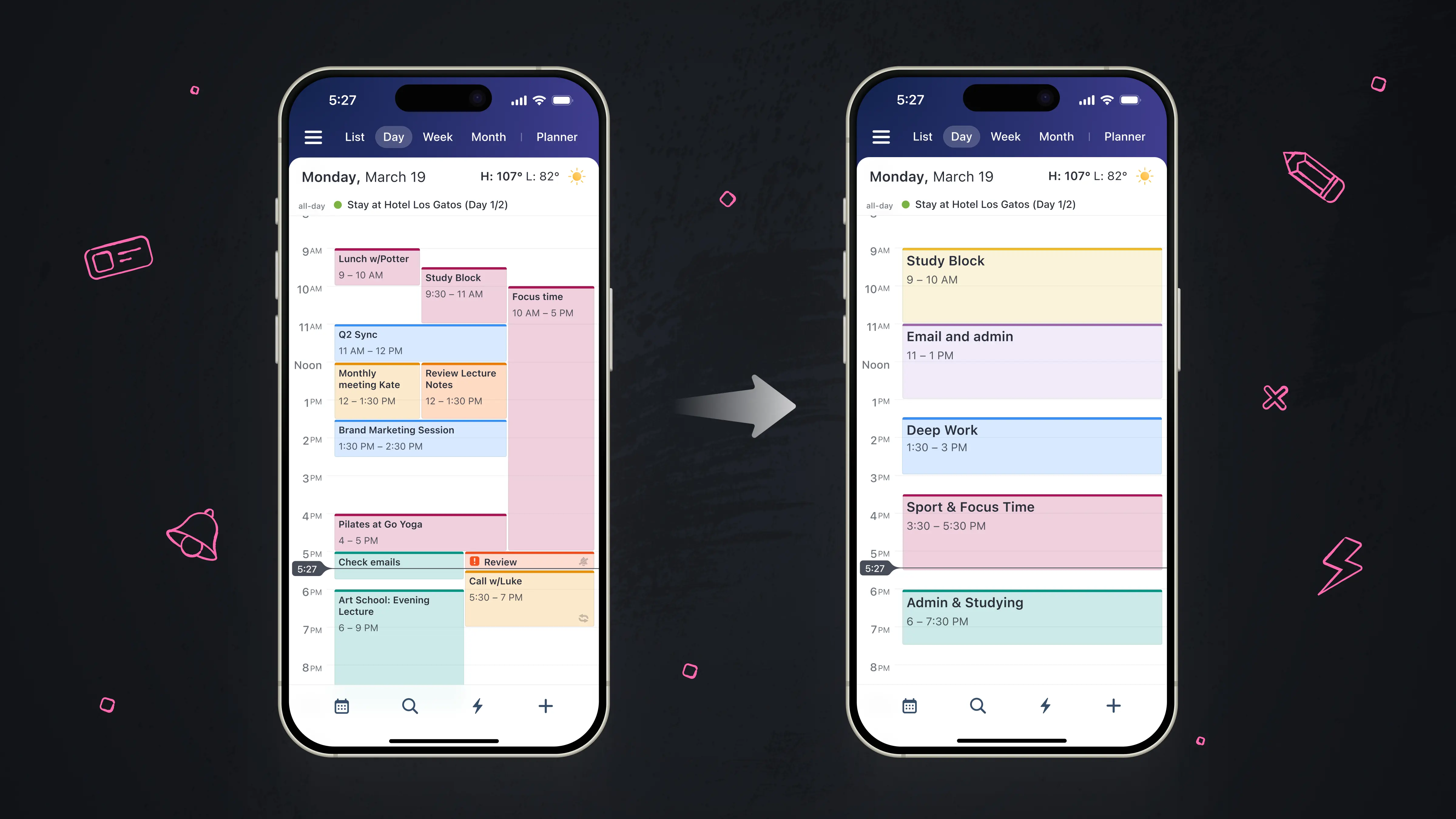
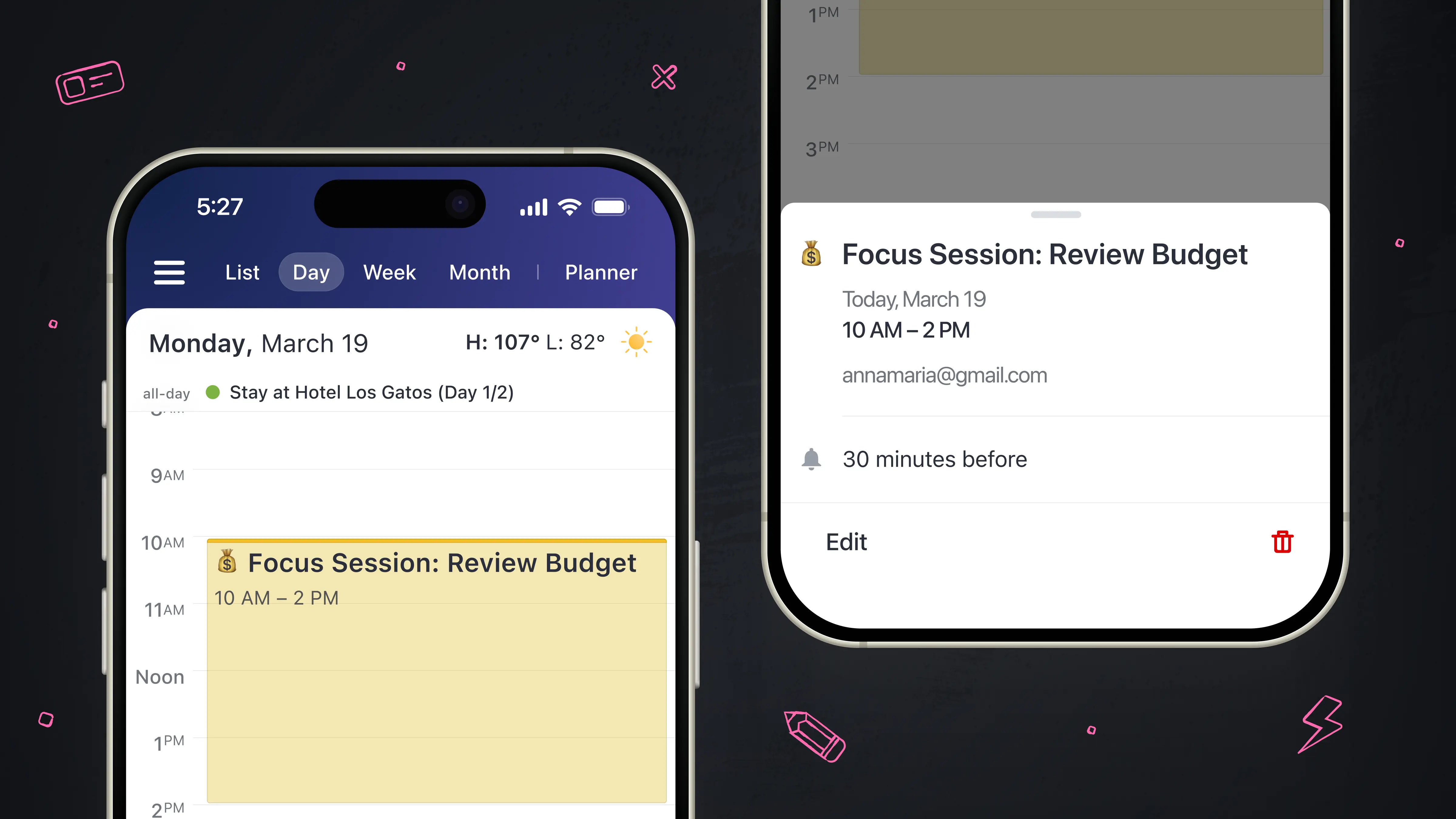
One of the simplest ways to practice single tasking is to assign dedicated focus time on your calendar. Even a 25- to 45-minute block can make a huge difference. Tools like Calendars by Readdle make this easy.
You can schedule distraction-free sessions with dedicated time blocks, set reminders, and view your day clearly so you know exactly what deserves your attention and when. Treat these blocks as non-negotiable appointments with yourself.
3. Reduce distractions
Your environment can make or break focus. Close unnecessary browser tabs, silence notifications, and put your phone out of reach. If you work in an office, consider noise-canceling headphones or a visual cue like a “do not disturb” sign. When the brain doesn’t have to constantly filter interruptions, it can fully engage with the task at hand.
4. Reduce physical clutter
It’s not just digital clutter that distracts you, your physical environment matters too. A messy desk, scattered papers, or random objects in your workspace can pull your attention away from the task in front of you. Keep only what you need for your current task within reach. A tidy workspace signals to your brain that it’s time to focus, making single tasking easier and more natural.
5. Take strategic breaks
Single tasking doesn’t mean working non-stop. Short breaks between focus sessions allow your mind to reset and prevent burnout. Techniques like the Pomodoro method (25 minutes of work, 5 minutes of rest) pair well with time-blocking strategies in your calendar app.
7. Start small and build up
Trying to focus for hours at a time can feel impossible at first. Begin with a manageable stretch such as 20 or 30 minutes of uninterrupted work. Set a timer and dedicate yourself to the task. When the timer goes off, take a short break to check your progress and recharge. If you feel motivated, return for another focused session. If you feel fatigued, rest for 5–10 minutes before coming back with fresh energy. Gradually, these small focus sessions build stamina, making longer periods of single-tasking feel natural.
Imagine ending your day knowing you gave your full attention to what truly matters. With Calendars by Readdle, you can plan smarter and focus deeper. Download Calendars today!