If you’re like most people, you’ve probably set a goal to change your routine, only to fall off after a few days. Maybe you planned to wake up early every morning, only to hit snooze. Or you told yourself you’d work out daily, but life got busy and it didn’t stick.
You start with good intentions, set a big goal, and for a few days, everything clicks. Then something small throws you off, and suddenly the habit disappears. There’s a reason for that. Big habits often require too much change, too quickly.
The problem isn’t the goal, it’s the approach.
Micro habits solve this by lowering the barrier to entry. Instead of going all in, they focus on doing less with just enough to build consistency and create lasting change.
What are micro habits?
Micro habits are tiny actions that take just a few minutes to complete and they create large changes over time. Unlike big, overwhelming goals that can feel impossible to stick to, micro habits are small enough that starting them requires minimal effort and willpower.
Think of them as the building blocks of bigger behaviors. For example, brushing your teeth, writing a single sentence in a journal, or taking three deep breaths before starting work. On their own, these actions seem minor, but when repeated consistently, they compound into significant improvements.
The science of micro habits
Micro habits are actually backed by science. Small, consistent actions change how your brain works and make new routines stick over time.
One strategy is habit stacking, which is attaching a new micro habit to something you already do. For example, if you make coffee every morning, try putting your coffee mug away in the dishwasher right after. Over time, your brain links the two actions, making the new habit feel automatic. According to Stanford behavior scientist BJ Fogg, habits are more likely to stick when they’re easy to do, not when they require high motivation. His model shows that behavior happens when motivation, ability, and a prompt come together, which is why small habits work so well.
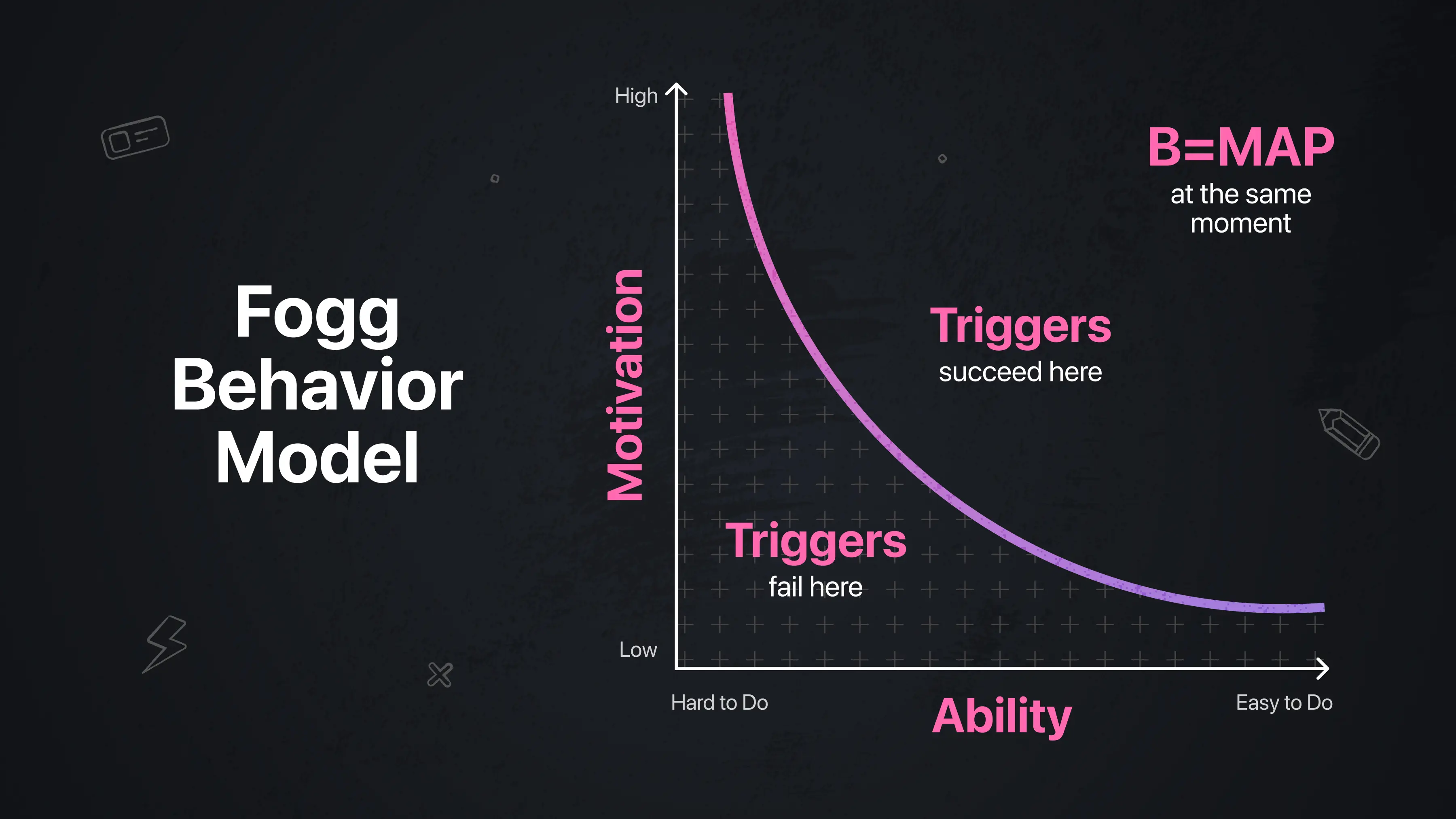
Another helpful rule is the 2-minute rule. Any new habit should take less than two minutes to start. Even tiny actions trigger dopamine (the brain’s “feel-good” chemical) so completing them feels rewarding and encourages you to repeat them. These small wins add up, creating momentum that can lead to bigger lifestyle changes.
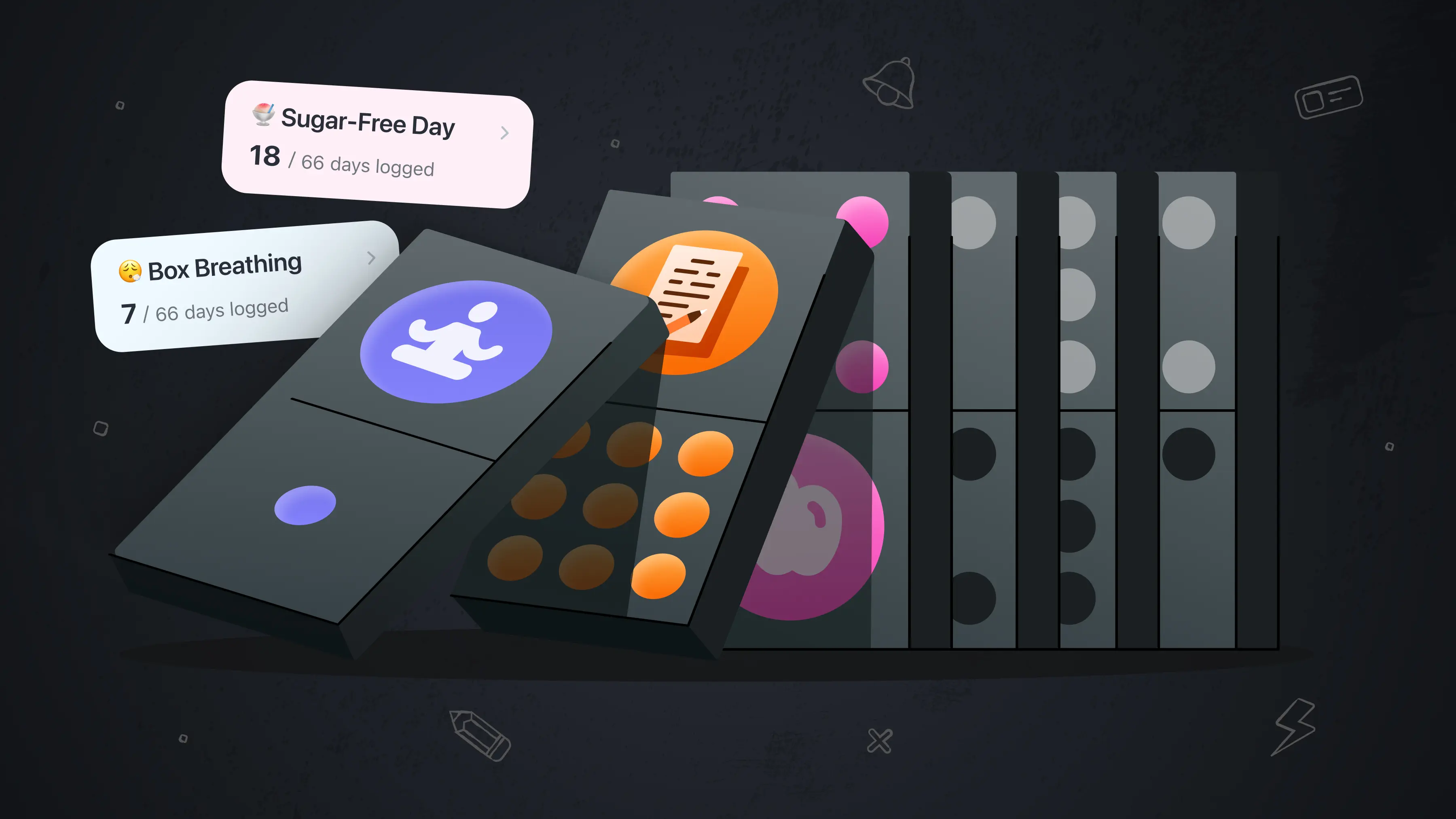
Here’s another key insight: consistency matters more than intensity. Research on habit formation shows that habits can begin to take shape in around two months, but the exact timeline varies from person to person. What matters most is repetition and consistently showing up for a behavior over time.
This is where micro habits have an advantage. Because they’re small and easy to repeat, you’re more likely to stick with them long enough for them to become automatic.
10 micro habits that can change your life
Here are 10 examples you can start today, with ways to make each one stick:
-
Make Your Bed
Taking just 1–2 minutes to tidy your bed sets a productive tone for the day. It creates an immediate sense of accomplishment and can even reduce morning stress. Habit stacking tip: make it the first thing you do after turning off your alarm. -
Drink a Glass of Water
Hydration fuels your brain and body. Keep a glass by your bed or desk and drink it as soon as you start your day. This tiny habit can also reduce mindless snacking and help regulate energy levels. -
Stretch for 1–2 Minutes Every Hour
Simple stretches boost circulation, reduce tension, and prevent stiffness, especially if you sit at a desk all day. Try reaching your arms overhead, rolling your shoulders, or touching your toes. Doing this after a break or every hour can improve energy and focus. -
Floss One Tooth
Starting with one tooth might feel silly, but it breaks the “all-or-nothing” mindset. Once you start, you often finish the whole session. Micro habits like this improve oral health without feeling like a chore. -
Read One Paragraph
Pick up a book or article and read just a paragraph. This tiny habit is easy to commit to daily, and before you know it, you’ll finish books in weeks rather than months. Pair it with your morning coffee or evening wind-down. -
Take a Short Walk
Walk to the mailbox, around the office, or down the block. Even a 2–5 minute movement break can improve your mood and clear mental clutter. Micro walks also reinforce the habit of regular movement over time. -
Send a Quick Thank-You Message
A short note, text, or email builds stronger relationships and gratitude. Even one sentence to acknowledge someone’s help or kindness can improve social connection. -
Plan Your Day in 2 Minutes
Write down 1–3 priorities for the day. This micro habit reduces stress, helps you focus on what matters, and prevents overwhelm. Pair it with a morning coffee or before opening your inbox. -
Declutter One Item
Pick up one item from your desk, drawer, or home and put it away. Tiny organizational actions reduce mental clutter and create a calmer environment. Over time, these small wins add up to a tidier, more productive space. -
Expert Tip: Set a Reminder in Your Calendar
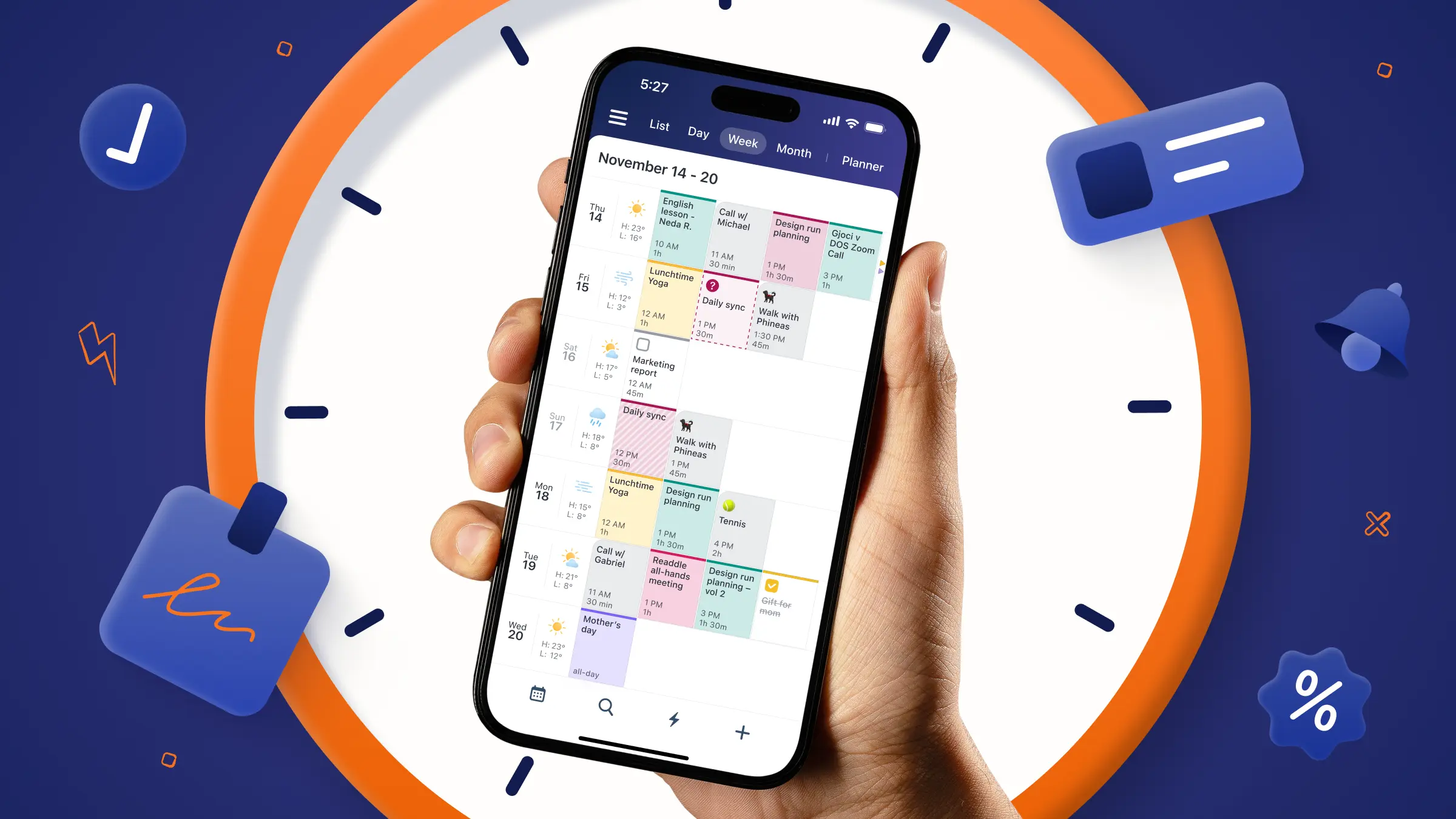
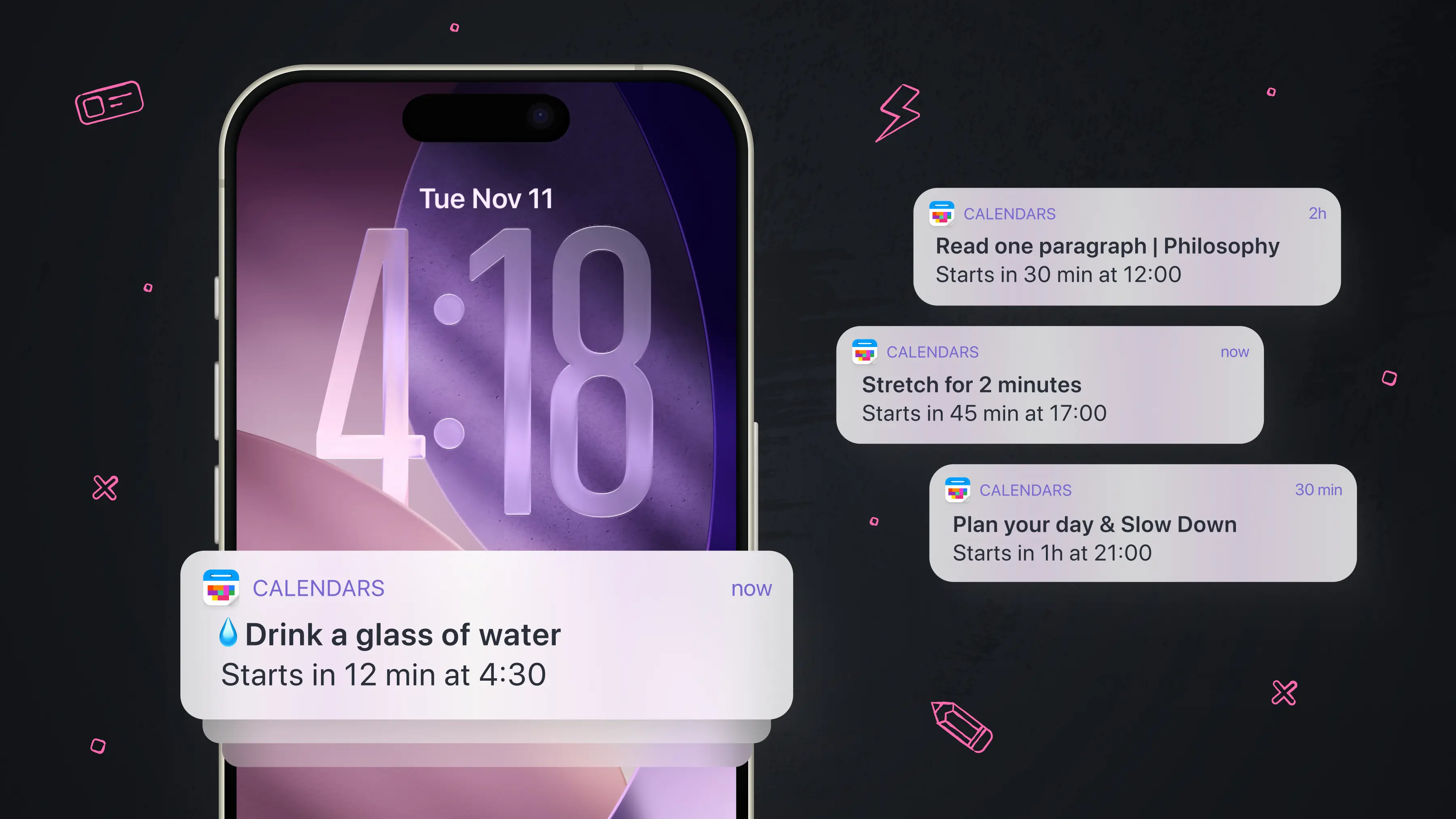
Set up a daily reminder in Calendars by Readdle to review your schedule or log a micro habit. Regular check-ins keep habits consistent without feeling overwhelming, and help you track progress over time.
Beyond the basics: FAQs about micro habits
Micro habits are simple, but people often have more questions about how they work and how to make them stick. Here’s a deeper dive into some common questions:
1. What are some micro-habits to build self-control?
Self-control isn’t about willpower, it’s a muscle that grows with small, repeated exercises. Micro habits can train your brain to make better choices automatically. For example:
-
Completing one small chore before moving to something you really want to do.
-
Timeboxing by setting a 2-minute timer to start a task you’ve been avoiding.
-
Putting your phone out of reach for 5 minutes while focusing on a task.
-
Doing one thing at a time instead of multitasking.
-
Delaying a craving slightly (e.g., “I’ll have it in 10 minutes”) to build impulse control.
These tiny actions strengthen self-discipline over time and make bigger habits easier to maintain.
2. What is the #1 worst habit for anxiety?
Constantly checking your phone, email, or social media can spike stress and keep your mind in a state of alert. Micro habits can counter this by replacing anxious behaviors with small, calming routines:
-
Taking a short walk or stretching for a minute.
-
Practicing deep breathing or mindfulness for two minutes.
-
Writing down worries to clear your mind.
Over time, these small practices can reduce anxiety and give your brain a break from constant stimulation.
3. What are considered the 5 macro habits of health?
Macro habits are the big, foundational lifestyle pillars that affect overall well-being. They include:
-
Sleep: Getting enough rest each night.
-
Nutrition: Eating balanced, nutrient-rich meals.
-
Exercise: Regular movement or activity.
-
Stress management: Reducing chronic stress through mindfulness, hobbies, or social connection.
-
Social connection: Maintaining supportive relationships.
When creating micro habits, it can be helpful to think about which macro habit or “pillar” they support. For example, drinking a glass of water in the morning supports nutrition, a two-minute stretch reinforces exercise, and journaling or deep breathing contributes to stress management. By aligning your tiny actions with these larger lifestyle pillars, you ensure that even small habits are moving you toward long-term health and well-being.
4. How can I make micro habits stick in my daily life?
Consistency is key and setting up reminders or check-ins can help you turn small actions into lasting habits. For example:
-
Use Calendars by Readdle to schedule micro habits and log daily reflections.
-
Track tiny wins, like completing your habit for the day, to reinforce consistency.
-
Pair habits with existing routines to make them automatic.
Your brain loves small wins. Keep them coming by downloading Calendars by Readdle.