If you live with ADHD, productivity can sometimes feel confusing in a way that’s hard to explain. You may know what needs to get done, but still struggle to start or stay consistent with tasks. This often comes down to executive dysfunction, a core part of ADHD that affects skills like planning, organizing, and task initiation. It can make even simple responsibilities feel mentally “stuck,” especially when there are multiple things competing for your attention.
Time blindness also plays a role. It can distort how time feels, making it difficult to estimate how long tasks will take or stay aware of how much time has passed. This often leads to rushing, falling behind, or feeling like the day disappeared. When these patterns overlap, they can create ADHD-specific overwhelm, where tasks feel too big or too unclear to even begin. This guide breaks down practical strategies to help make productivity feel more structured and manageable.
How Does ADHD Affect Productivity?
For many people, productivity with ADHD is inconsistent. Some days it may feel easy to focus and get things done, while other days even basic tasks (like cooking dinner, returning a phone call, or starting work) can feel exhausting.
One of the biggest reasons ADHD affects productivity is because the brain has trouble staying engaged with tasks that feel monotonous. Things like answering emails, folding laundry, studying, cleaning, or scheduling appointments may feel mentally draining because they don’t provide enough stimulation for the brain to stay interested.
At the same time, people with ADHD often find it much easier to focus on tasks that feel exciting. For example, they may spend hours designing a new project, researching a topic they love, planning a trip, brainstorming ideas, or working against a tight deadline without realizing how much time has passed.
This difference can be confusing and frustrating. Someone with ADHD might struggle to reply to a simple text message but suddenly hyperfocus on reorganizing their entire room at midnight. Instead of fighting that pattern, here are five ADHD-specific productivity tips to help you get things done more consistently.
5 ADHD Tips for Productivity
1. Use the right apps for different areas of your life
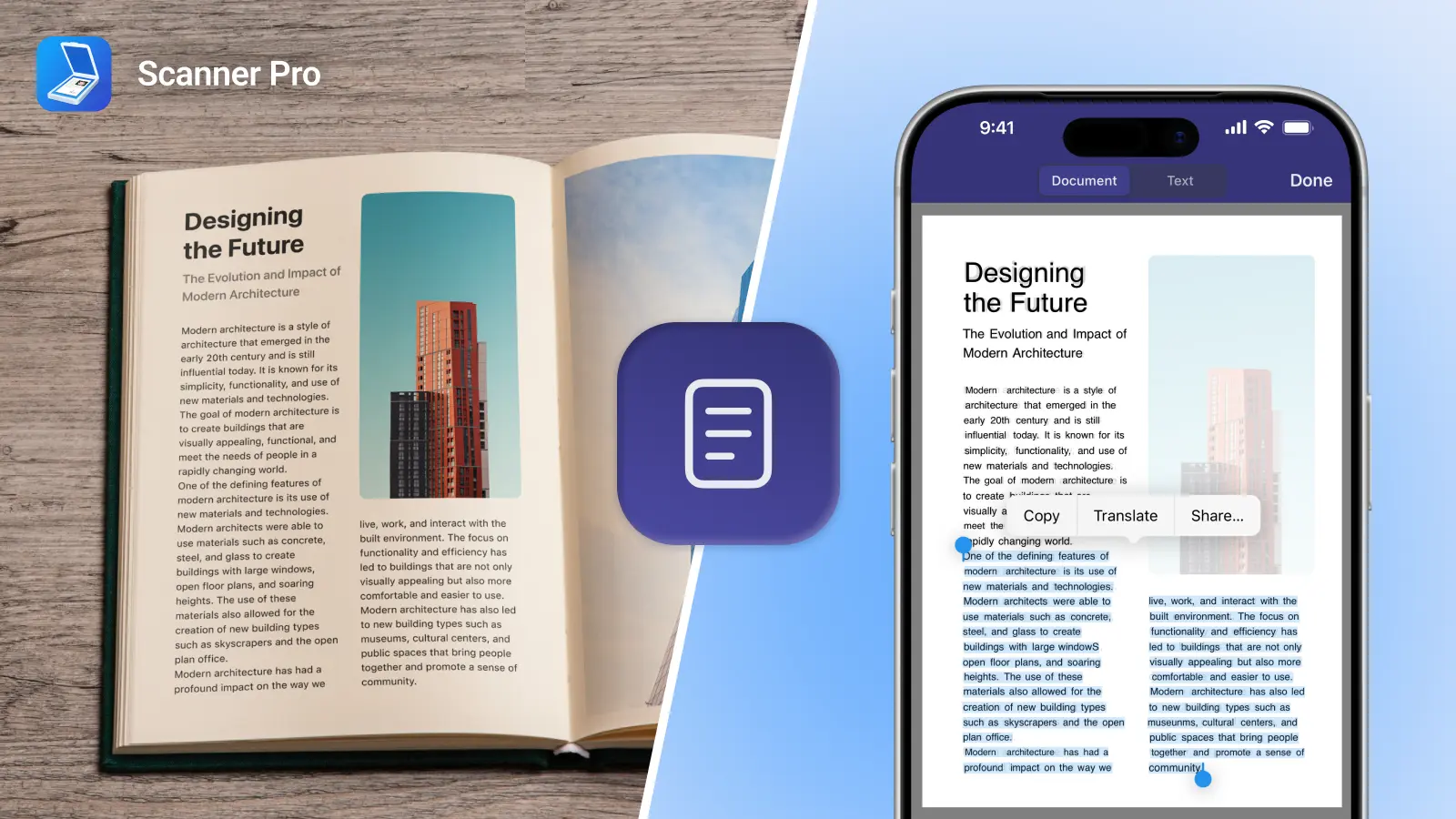
One of the most helpful ADHD productivity tips is not trying to make one tool do everything. The ADHD brain tends to work better when different parts of life are clearly separated and easy to access. For example, you might use one app for focus, another for sleep, and a digital calendar for daily planning.
2. Use a digital calendar to support time blindness
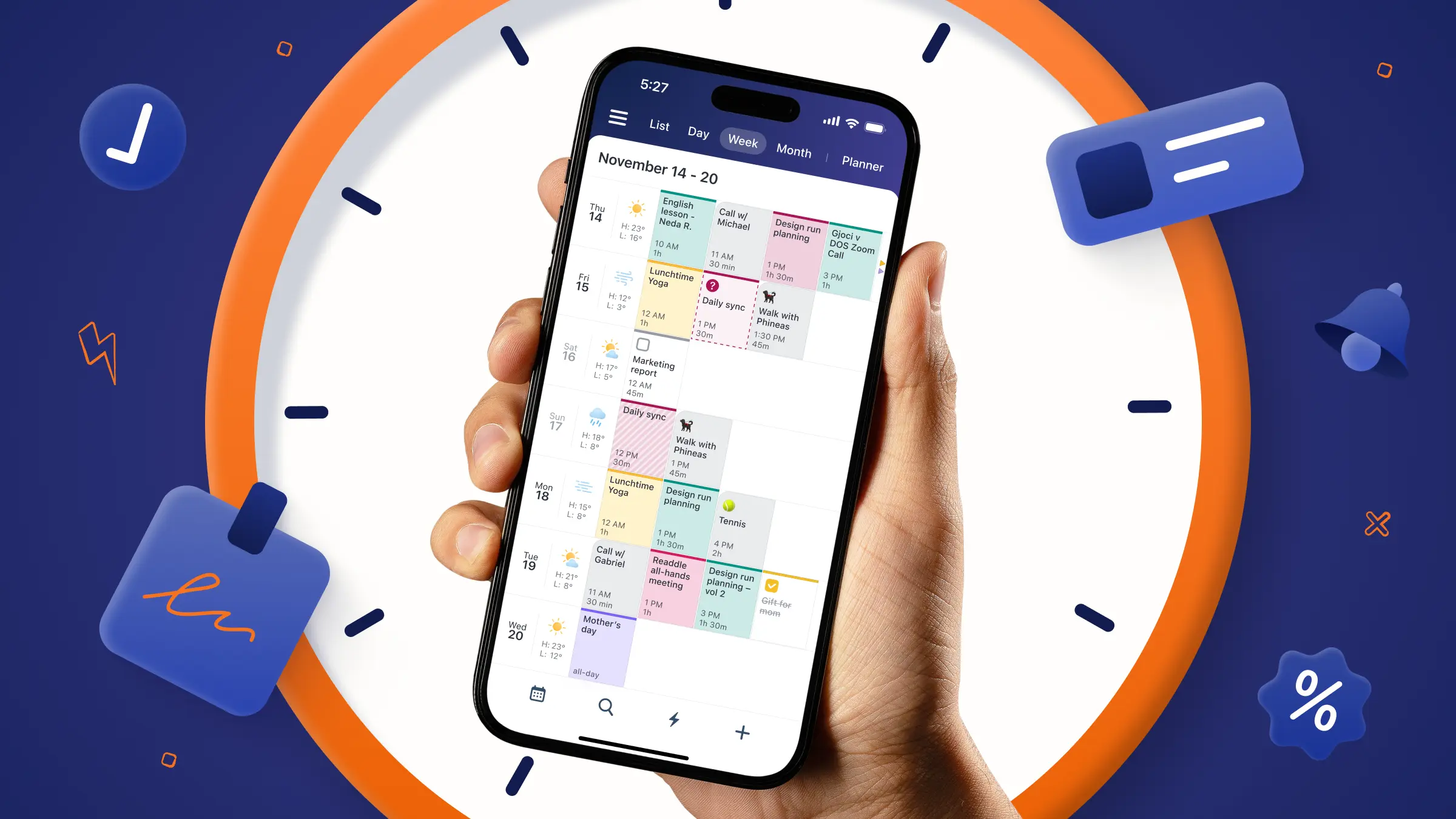
Time blindness can make it hard to accurately feel or track time. Calendars by Readdle helps make time feel more visible and easier to manage by turning your schedule into something you can actually see instead of just thinking about. With features like time blocking, your day is broken into clear sections, which makes it easier for the ADHD brain to understand what needs to happen and when. Color coding adds another layer of clarity by helping your brain quickly recognize different types of activities (like work, personal tasks, or appointments) without extra mental effort.
On top of that, reminders and recurring events help take pressure off memory. Instead of relying on yourself to remember routines like starting work, taking breaks, or showing up to appointments, your calendar gently prompts you at the right time. Download Calendars to get started.
3. Ask for help and external support
ADHD productivity improves significantly with external structure and support. You don’t have to figure everything out alone. Support groups can be a helpful place to learn ADHD motivation tips, hear what works for other people, and feel less isolated in your experience. Many people find both local and virtual communities through a quick search, including groups like ADDA accountability or productivity-focused support spaces.
You can also work with an ADHD coach or therapist who understands executive dysfunction. They can help you build personalized systems that fit your daily life instead of relying on generic productivity advice.
4. Keep things fun and interesting
The ADHD brain is often creative and highly responsive to novelty. One of the most effective ways to improve productivity is to make boring tasks more engaging instead of trying to force focus. For example, cleaning doesn’t have to feel like one long, draining task. You can gamify it by setting a timer and racing against yourself, or turning it into a challenge with a friend. Some people use apps that turn tasks into missions or point-based systems. Another simple strategy is pairing something boring with something enjoyable, like folding laundry while watching a show or listening to a podcast.
5. Celebrate small milestones with rewards
For many adults with ADHD, repetitive tasks don’t offer immediate reward, which makes them harder to complete. Waiting until the end of a long task list to feel accomplished can feel too far away. Adding small, immediate rewards can help bridge that gap. For example, after finishing a set of tasks, you might take a short walk, have a snack, listen to your favorite song, or take a break doing something enjoyable. These small rewards help your brain connect action with positive feedback, which can make it easier to start again next time.
Frequently Asked Questions
What Is the 10-3 Rule for ADHD?
The 10-3 rule is a time management method designed to help people with ADHD stay focused. The idea is straightforward: work on a task for 10 minutes, then take a 3-minute break before starting again. The reason the 10-3 rule works so well for ADHD brains is because it creates structure while still allowing for flexibility. Ten minutes feels achievable, even on low-energy days, and the built-in breaks help prevent mental fatigue and ADHD burnout. It can also create a sense of momentum. Once you complete one 10-minute session, it often feels easier to continue into another. Those small wins can help build motivation and increase productivity over time.
What Is ADHD Burnout?
ADHD burnout is a state of mental, emotional, and physical exhaustion caused by the ongoing stress of trying to manage everyday life with ADHD. It often happens after long periods of overworking to stay organized, constantly fighting distractions, or pushing through overwhelm without enough rest or support.
Unlike general tiredness, ADHD burnout can make even simple tasks feel impossible. Things like answering messages, starting work, cleaning, making decisions, or keeping up with routines may suddenly require far more energy than usual. Common signs of ADHD burnout can include feeling exhausted after resting, increased procrastination, trouble focusing or remembering things, emotional overwhelm and irritability, loss of motivation, or feeling mentally “checked out.”
What are the 4 F’s of ADHD?
The “4 F’s of ADHD” is a simple way to describe how people with ADHD may respond to overwhelm. It’s not a medical diagnosis, but it can help explain common behavior patterns. The main purpose is to help people understand why they react the way they do instead of assuming it’s a personality flaw or lack of effort. Fight is when you feel irritated or resistant toward a task, especially if it feels forced or overwhelming. Flight is avoidance, such as shifting away from the task into something easier or more stimulating. Freeze is task paralysis, when you want to start but feel stuck and can’t figure out where to begin. Fawn is people-pleasing, like saying yes to too much or taking on tasks to avoid conflict or pressure.